The Michelin star brand vending machine →
Consistency gets boring, but coherency is music
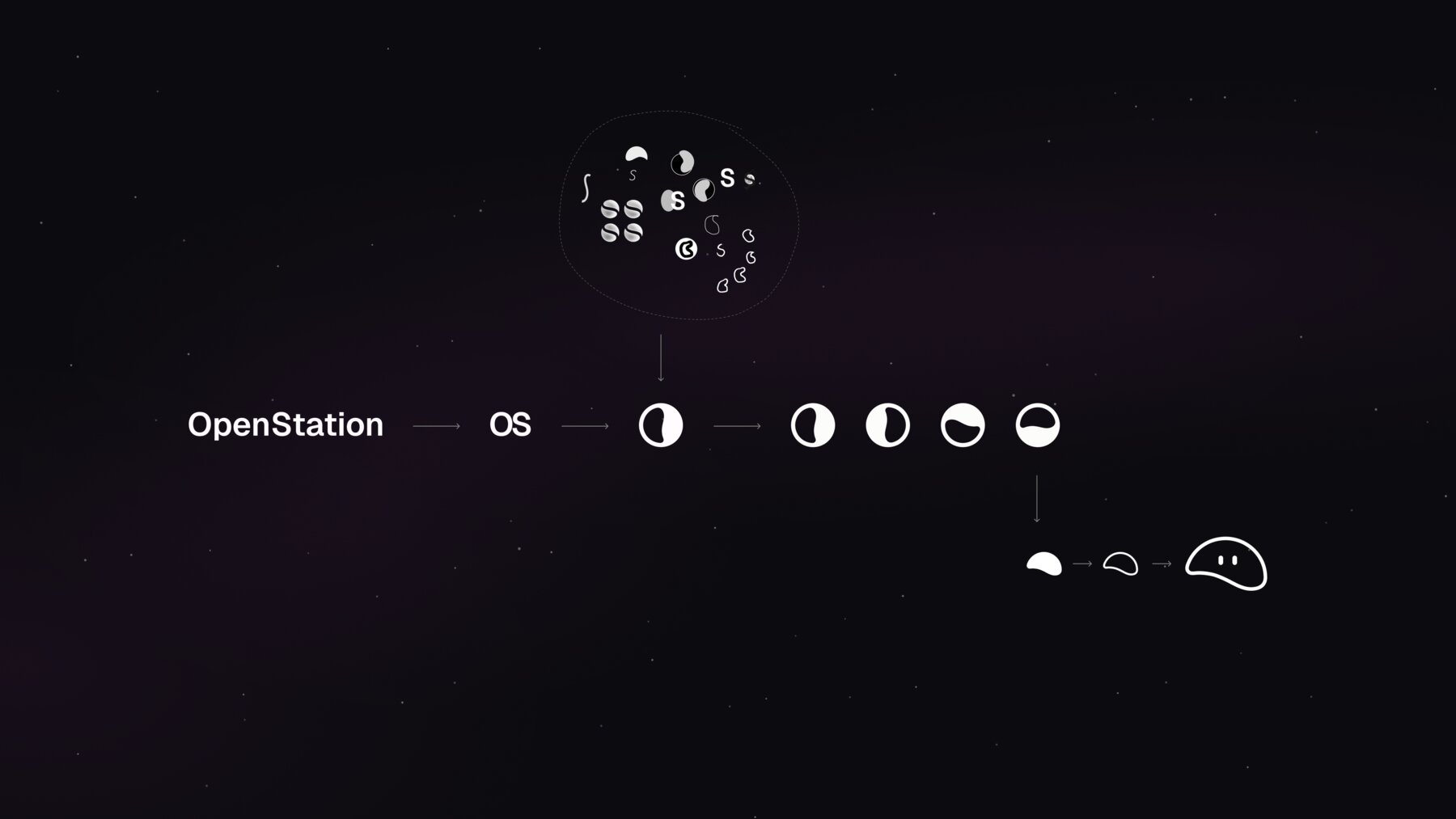
Consistency gets boring, but coherency is music
AI is good at extending a system, but it can’t start one. Once the logo was right, everything else could grow from it. But that first decision had to come from someone looking, caring, and crafting.
When average is easier than ever, our choices are what set us apart.
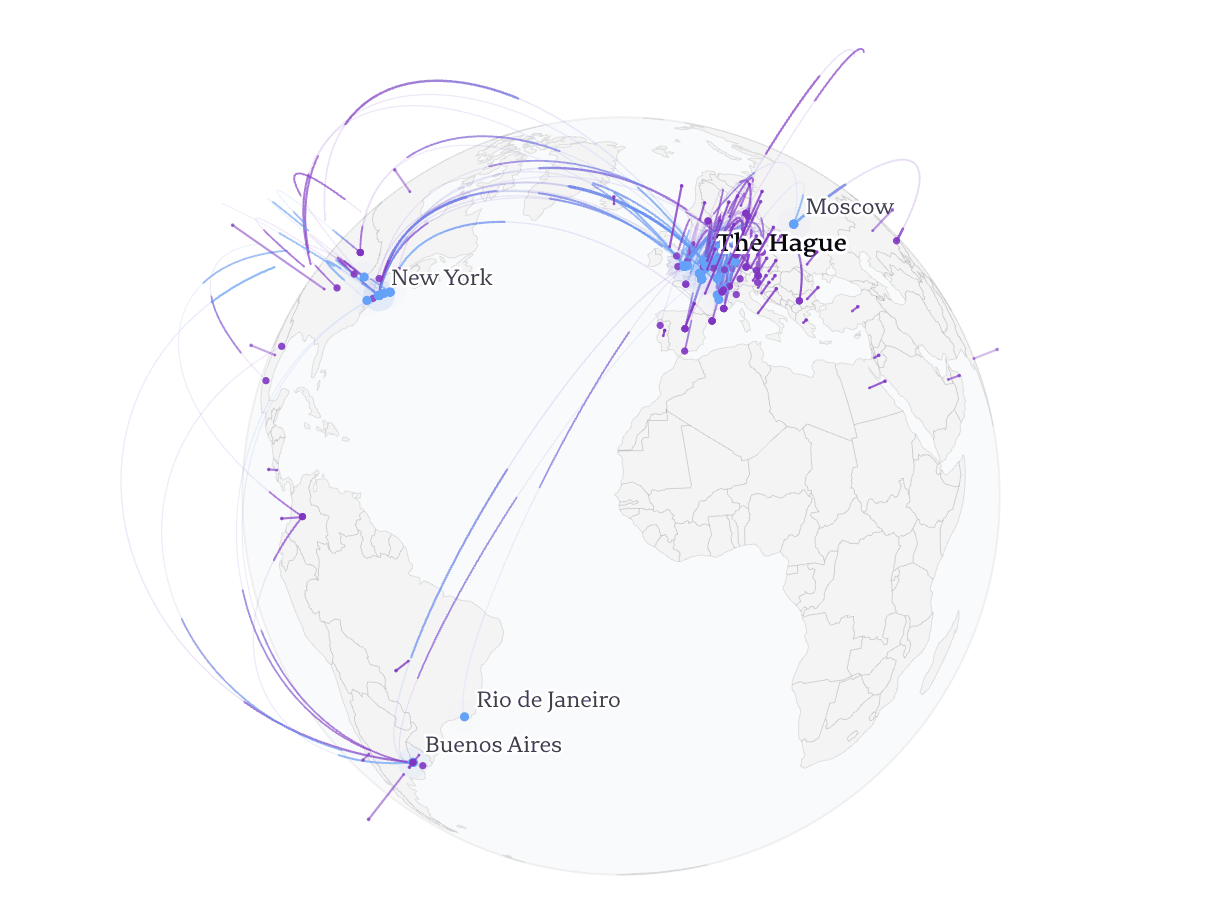
Of the 648 designers whose school and workplace have both been identified, 296 work in a different country from the one they trained in. That is 46%. Type design is a field where roughly half the people leave the country that taught them.
Love this deep dive by Mark at Type.lol into the diaspora of the type industry.
The problem we found was that while the prompt described our visual language just fine, every model reading it interpreted that description differently, generating vastly different pages from the same guidance.
I like Vercel's approach of running the prompt twice, once with design.md and once without, to compare the impact design.md is actually having.
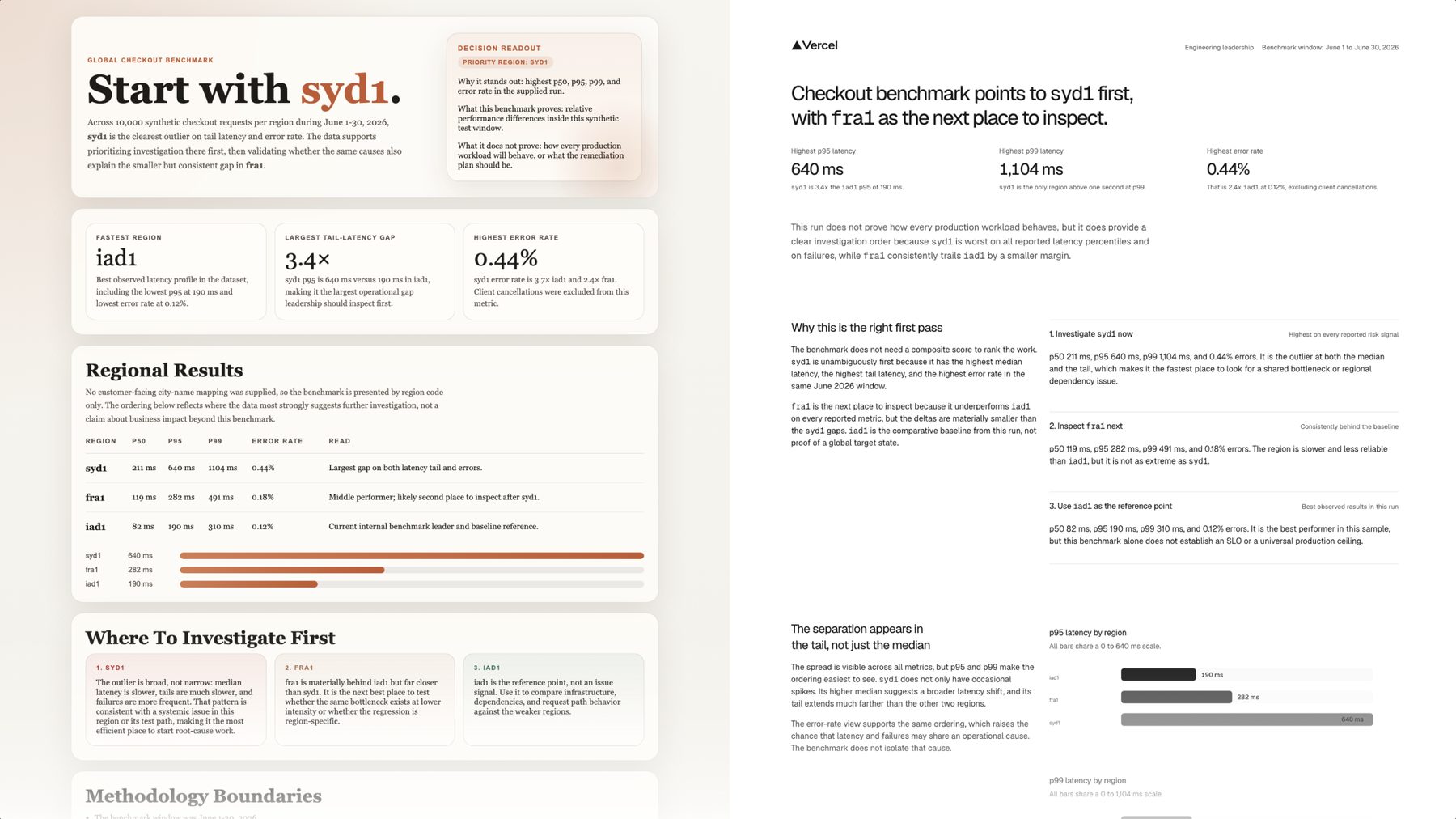
Right now most of us are still figuring out how to maintain brand consistency across multiple outputs using a single provider of choice (Anthropic/OpenAI). As it becomes more common for orgs to run multiple models—for different tasks and/or teams—we're going to need more mature ways to evaluate how effectively each model is able to adhere to guidelines.
We’re eschewing the titles for now (Design Engineer, SuperICs, Principals, Managers, all of them) and calling these roles something Milton Glaser would recognize: Designers.
Our designers are still using AI tools of course, but it doesn’t change their title. We don’t call them Pencil Designers when they sketch on notepads either.
It’s funny how often the best way to face the future is look deeper into the past.
Highly skilled designers were spending much of their time reproducing decisions the team had already made.
There’s a lot to unpack in this essay from Paul Jun @ Ramp, but this sentence really jumped out at me. How much of our time is spent being truly creative, versus “lining stuff up”, “spacing things out”, and “fixing the corner radii”?
Machines can do consistency and precision better than us meatbags, but that just gives us more time to focus on what really matters: the why.
The power of a language comes from the fact that it is generative. A language is not a mere set of signs, or a set of labels… It is a system of rules, which allows you to create an infinite variety of unique combinations, directly suited to the specific circumstances in which they are used. A drawing cannot do this. A drawing is a picture of one particular thing. It cannot adapt itself.
These ideas from 50 years ago feel more relevant than ever. I’m finding myself spending less time lining up pixels, and more time thinking about the system of rules that produce those pixels. It’s easy to look at an output and say “that’s the design”, but the design isn’t the output: the design is the choices that led to that output.